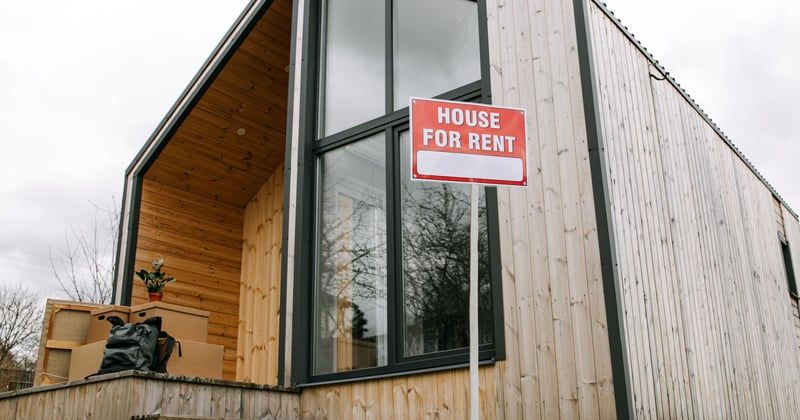
Staging secrets to attract serious buyers on a tight budget
The first question a serious buyer asks is never about your asking price. It's "can I see myself living here?" Everything you do before the visits—or fail to do—answers that question before you open your mouth.
Two years ago I helped my sister list a 1970s semi-detached that had sat on the market for seven weeks with zero offers. No structural problems. No bad location. Just too much of her life on display: family photos on every wall, a cluttered home office in what the listing promised was a "third bedroom," and a living room arranged around a TV instead of a conversation. We spent a weekend and about $180 fixing it. Three visits the following week, two competing offers, sold above asking.
That's what staging really is. Not furniture rentals and designer cushions. It's removing the obstacles between a buyer's imagination and your rooms—and you can do most of it yourself.
Key takeaways
- Professional staging can run from roughly $1,500 for a small flat to $10,000+ for a luxury property, but the highest-impact moves are free or nearly free.
- Decluttering and depersonalising consistently outperform furniture rental in terms of offers per dollar spent.
- The 3-3-3 rule gives you a simple timeline so you're not scrambling the morning of a visit.
- Over-staging is a real mistake—buyers can smell a showroom, and it makes them suspicious about what's being hidden.
- Lighting and window cleaning are the two most underrated, cheapest fixes in the entire process.
What are some quick staging tips that actually move the needle?
Not every seller has three weeks. Sometimes the agent calls on a Thursday and the first visit is Saturday morning. Here's what I'd prioritise if I had one day.
Light and windows first, always
Open every blind and curtain. Then clean the windows—inside and out. It sounds trivial until you sit in a room where the glass is grimy and realise how much smaller and dimmer it looks. Swap any bulb under 60 watts for a warm white equivalent. In my sister's house, this alone changed the feel of the north-facing living room. Cost: a pack of bulbs and two hours.
Depersonalise without stripping the soul
Family photos, kids' drawings, diplomas, collections. They all have to go. Buyers need neutral ground to project onto, and every personal item is a small interruption. I keep one framed abstract print per main room and nothing else on the walls. It sounds cold in theory. In practice, rooms look bigger.
Curb appeal on a shoestring
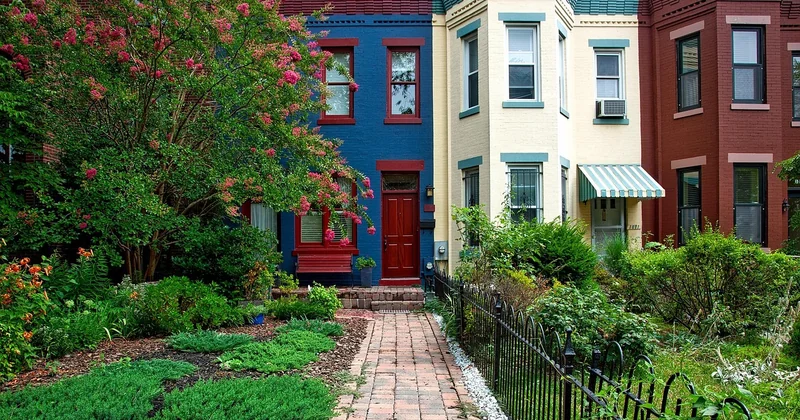
The buyer decides in the first ten seconds outside. Fresh mulch along the path, hedges trimmed level, front door wiped down and repainted if it's faded. A new doormat costs almost nothing and signals care. One seller I worked with pressure-washed her driveway for a Saturday rental fee and told me later it was the single thing visitors mentioned most.
What is the 3-3-3 rule in real estate?
The 3-3-3 rule is a simple preparation timeline that keeps you from panicking before a showing. It works in three stages:

- Three weeks before the first visit: declutter room by room, book any small repairs, repaint scuffed walls, deep clean carpets. This is your heavy lifting.
- Three days before: touch up surfaces, launder curtains if they smell, restock the bathroom with fresh white towels and unscented soap.
- Three hours before: open windows for ten minutes to air the place out, turn on all lamps, hide bins, wipe down kitchen counters, and leave.
I'll be honest: when I first heard the rule, I thought it was over-engineered. Then I watched a seller try to do everything in the final 24 hours and end up with wet paint and a stressed face during the visit. The staged approach exists because most staging mistakes happen in the last-minute rush, not from a lack of effort.
For a tight budget, the three-week window is where you separate what must be done from what can wait. You don't need to fix everything. You need to remove the friction.
How to stage a house for sale with almost no money
Let me be direct: if your staging budget is under $300, you are not renting furniture. You're working with what you own plus a few cheap purchases. That's fine—here's the order I'd follow.
Declutter harder than feels comfortable
Roughly a third of everything visible should leave the house. Clear kitchen counters down to one small item. Empty two-thirds of each bookshelf. Remove half the clothes from wardrobes so they don't look bursting—buyers interpret a full closet as "not enough storage." Rent a small storage unit if you must. It costs a fraction of professional staging and pays back at the negotiation table.
Rearrange what you already have
Most rooms are arranged for living, not for viewing. Pull furniture slightly off the walls, angle the sofa toward a focal point, and remove any piece that blocks the natural sightline from the doorway. I once watched a couple spend $400 on a new rug before realising their real problem was a dining table wedged against the entry, making the whole flat feel narrow. Moving it two metres solved it for free.
Soft staging an empty house
If you've already moved out, an empty property photographs badly and buyers can't read the scale of a room. Soft staging means adding just enough: a couple of neutral chairs, a small table, a plant, a single piece of art per room. Borrow from friends or buy second-hand. An empty house tells buyers "the owner is motivated"—which also means "make a low offer." A lightly furnished one tells them you're in control.
| Move | Typical cost | Effort | Impact on offers |
|---|---|---|---|
| Decluttering and depersonalising | $0 | High (2 weekends) | Very high |
| Window and light overhaul | Under $50 | Low (half a day) | High |
| Neutral repaint of one or two rooms | $30–$80 | Medium | Medium to high |
| Soft staging an empty house | $100–$400 (second-hand) | Medium | Medium |
| Full professional staging | $1,500–$10,000+ | Low for you | High but costly |
What are the biggest home staging mistakes?
The mistakes I see most often have nothing to do with taste. They come from sellers trying too hard in the wrong direction.
- Over-staging to the point of suspicion. When every surface is flawless and every cushion perfectly aligned, buyers start wondering what's being concealed. A little everyday warmth helps.
- Furniture that's too large for the room. It reads as cramped even when the square footage is fine.
- Strong scents. Candles, plug-ins, pet odour. A serious buyer notices immediately, and it kills trust.
- Bold personal themes—heavy religious decor, sports memorabilia, a nursery that shouts "this is a family home only."
- Ignoring the entrance. If the hallway smells of damp shoes and the doormat is worn through, the tour starts on the back foot.
Notice that none of these require money to fix. They require attention. That's the whole point of staging on a budget: you're selling a feeling, and the cheapest lever is what you choose to remove.
What makes a house sell quickly?
Price, condition, and presentation—in that order. I won't pretend staging can rescue an overpriced property. It can't. What staging does is remove the excuses a buyer uses to walk away or lowball.
A serious buyer is someone who has already decided they want to move and is comparing a short list of properties. Your job is to make yours the one that feels easy, clean, and ready. When the price is right and the presentation is honest, the visit turns into a decision rather than a maybe.
And here's the part nobody tells you: staged homes don't just sell faster. They photograph better, and most buyers see your listing online before they ever see it in person. Six good phone photos with open curtains and cleared counters will outperform one professionally shot messy room every time.
The whole thing costs less than a decent dinner out. What it saves you is measured in weeks on the market—and in the offers you never have to lower your price to accept.